

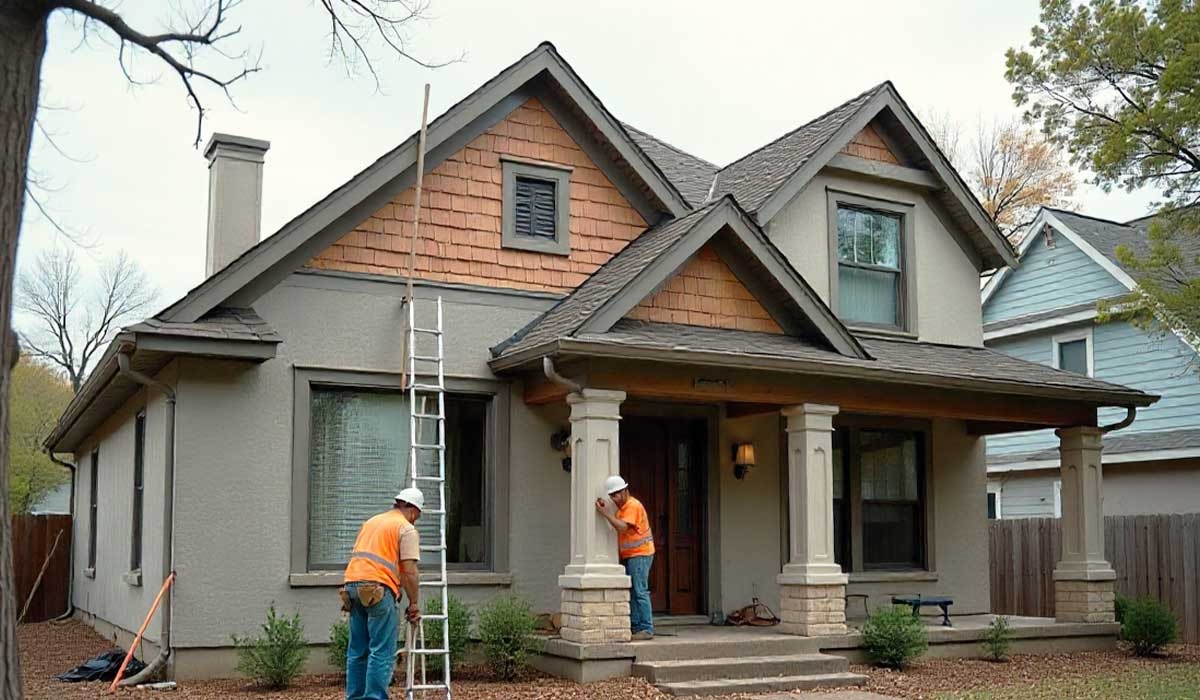
Embarking on a home renovation is one of the most exciting journeys a homeowner can take. Whether you are in The Heights looking to modernize a historic bungalow or in Sugar Land updating a family estate, the question is always the same: Where do I actually start?
At Legacy Custom Home Remodeling, we know how crucial a plan is for a successful remodeling project. The difference between a dream home and a construction nightmare usually comes down to the quality of the preparation.
This comprehensive guide will walk you through exactly how to start your Houston home remodel, covering everything from defining your vision and setting a realistic budget to navigating Harris County permits and surviving the construction phase.
Key Takeaways
|
The Crucial First Step: Defining Your Goals, Needs, and Vision
Before you look at a single tile sample or interview a remodeler, you need to have an honest internal debate. Planning is not just about picking colors; it involves a conceptual design phase and creating a project plan by defining your vision and goals based on your specific lifestyle needs.
Many homeowners rush into the design phase without fully understanding why they are remodeling.
- Are you looking for improved functionality for a growing family?
- Are you focused on increasing resale value for a future sale?
Clarifying this early ensures your priorities align with your investment.
Remodel vs. Move: Making the Critical Houston Decision
The first hurdle is identifying whether or not you should move. In the current Greater Houston real estate market, moving can be costly when you factor in interest rates, closing costs, and the hassle of relocation.
Ask yourself: Do you love your neighborhood? Are the schools in Greater Houston right for your children?
If the location is perfect but the house is outdated, full home remodeling is often the most cost-effective choice. You can achieve your long-term goals without uprooting your life. However, if your space is too small for the kitchen expansion you need, or if the resale value ceiling in your neighborhood won’t support your investment, moving might be the wiser option.
The “Live-In” Rule: Waiting to Define Your Priorities
If you have recently purchased a new home, pause. We recommend the “Live-In” rule: live in your home for at least a few months before starting a major remodel.
Living through a remodel is easier when you know your priorities. You might think you need an open-concept layout, but after living for some time, you might realize that sound separation is actually more important for your lifestyle needs. This waiting period clarifies your design/vision and prevents costly “change orders” later.
Clarifying Needs vs. Wants (The Wish List)
For a cohesive design, sit down and create two distinct columns: Needs and Wants. This is the beginning of your comprehensive home remodeling checklist.
- Needs: Non-negotiables. Examples include fixing a leaking roof, updating unsafe electrical wiring, or adding a second bathroom for a family of four.
- Wants: The “nice-to-haves.” Examples include a heated towel rack, a pot filler, or smart home automation.
Your list of priorities will guide your remodeler in creating a proposal that hits your budget targets while delivering the functionality you require.
Developing a Realistic and Resilient Houston Remodeling Budget
While budgeting properly, you need a contingency reserve and an accurate cost estimate, depending on your project type. A vague range of expenses is not a budget. You need a detailed financial roadmap that accounts for the reality of remodeling in Houston.
The Critical 10-20% Contingency Reserve for the Unexpected
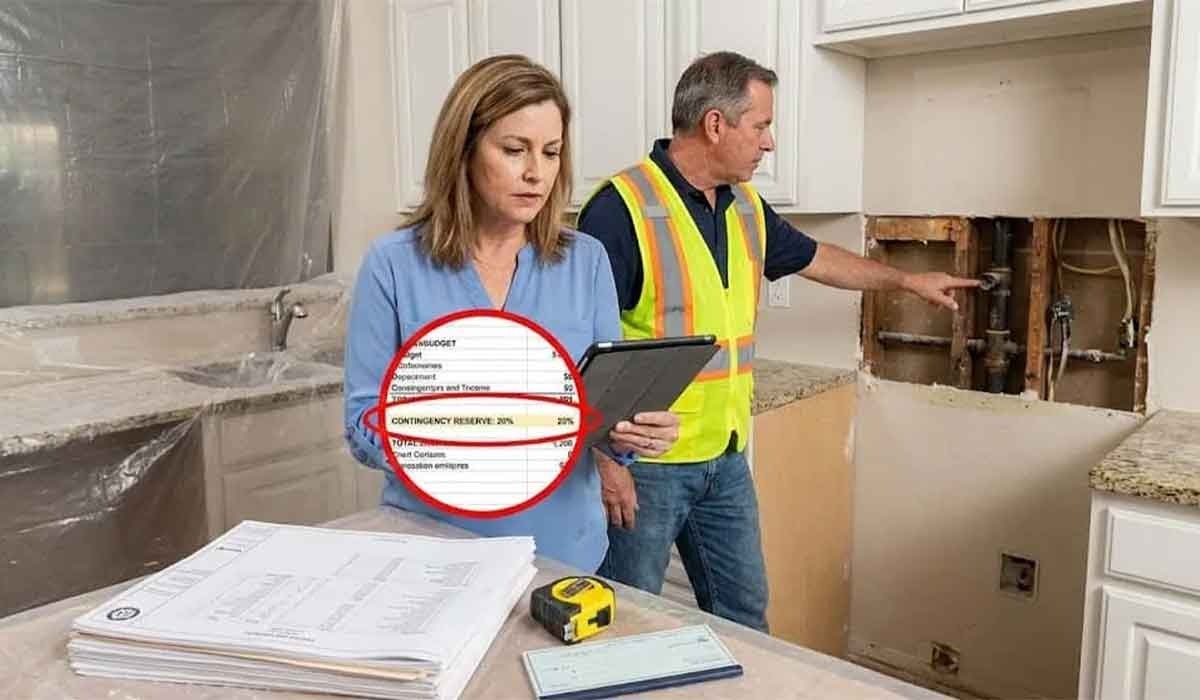
If you take one thing away from this guide, let it be this: budgeting without a buffer is a recipe for stress. You must set aside a contingency reserve of 15-20% of your total project costs.
Unexpected costs are part of the process, especially in older Houston homes.
Once walls are opened, we often find hidden water damage, outdated wiring, or plumbing issues that must be brought up to code. When you have a reserve, you don’t have to compromise with financing or cut corners on finishes.
And in case you don’t use it, it’s money back in your pocket at the end of the job.
Understanding Cost by Project Type: Kitchens vs. Baths (The Highest ROI)
Every renovation cost is different (and so is the return).
- Kitchens: A kitchen remodel is typically the most expensive project due to the density of appliances, cabinetry, plumbing, and electrical work. However, it also yields the highest resale value.
- Bathrooms: While smaller, a bathroom renovation involves intense labor per square foot.
Understanding the cost difference helps you allocate funds. If your budget is tight, prioritize the kitchen for impact and ROI, and do a cosmetic refresh on the guest baths.
Making the Funding Plan: Financing Your Project
How will you pay for the renovation? Financing options vary from Home Equity Lines of Credit (HELOCs) to construction loans or cash savings. Budget tracking is essential regardless of the source.
At Legacy Custom Home Remodeling, we recommend having your funding secured before signing a contract to ensure the project moves smoothly without payment delays.
When to DIY and When to Hire a Professional
In the age of YouTube tutorials, many homeowners are tempted to tackle DIY projects. However, knowing when to call a professional can save you thousands of dollars in mistakes and protect your home’s value.
Recognizing “Craftsman Quality” vs. Basic Labor
There is a distinct difference between “done” and “craftsman quality”. Painting a bedroom or swapping out cabinet hardware are great DIY projects. However, laying large-format tile, installing custom cabinetry, or hanging drywall requires specialized tools and years of practice to look professional.
If you want a finish that adds real value to your home, a remodeler/contractor brings the level of quality that DIY rarely achieves. This is a great area to consider what we can learn from HGTV shows: while they make it look easy, professional execution requires expertise and precision.
Structural, Electrical, and Plumbing: The Non-Negotiable Pros
There are three areas where DIY should be strictly avoided: structural, electrical, and plumbing work.
- Structural: Moving a wall requires an engineer to determine if it is load-bearing. Getting this wrong can compromise your roof.
- Electrical & Plumbing: These require strict code compliance. Faulty work here is a fire and water damage hazard.
For these elements, hiring a licensed professional is non-negotiable for the safety of your family and the integrity of your home.
Selecting Your Remodeling Partner: Design-Build vs. Design-to-Bid
The partner you choose will determine the success of your project. You generally have two paths: hiring a design-build firm or using the design-to-bid method.
Design-Build vs. Design-to-Bid: Understanding the Two Models
- Design-to-Bid: You hire an architect to draw plans, then bid those plans out to multiple contractors. There is a possibility of the design exceeding the budget, which can lead to delays and redesigns.
- Design-Build: You hire a single design-build firm (like Legacy Custom Home Remodeling) to handle both the design/vision and the construction. The upside is a unified workflow where the architect, engineer, and builder work together from day one. This model improves communication, keeps planning aligned with the budget, and provides a single point of accountability.
The Houston Vetting Process: Licensing, Insurance, and Due Diligence
Unfortunately, contractor fraud is a reality. To protect yourself, prioritize hiring a licensed remodeler or a verified professional with a physical presence in Houston.
- Check references and visit current job sites if possible.
- Check general liability and workers’ compensation insurance.
- Make sure they have a track record of successful projects in your specific neighborhood.
- Ask the essential questions before you remodel your home.
Negotiating the Contract: Scope of Work and Warranty Protection
Never start work on a handshake. A professional contract should include a detailed scope of work that lists every fixture, material, and step of the process. This document is your shield against ambiguity.
Furthermore, look for a strong warranty. A confident remodeler/contractor stands behind their work. Clear construction documents and open communication regarding the warranty terms will give you peace of mind long after the trucks drive away.
Navigating Permits and Codes in the Greater Houston Area
Obtaining permits is essential for code compliance and mitigating delays in the timeline. Dealing with the City of Houston Permitting Center or Harris County regulations can be complex, but it protects your investment.
Structural and Utility Changes: The Absolute Permit Requirements
In Greater Houston, you generally need building permits for any project that changes the footprint of the home or opens the walls. This includes:
- Structural framing changes (moving walls).
- New electrical circuits or panel upgrades.
- Moving or adding plumbing lines.
- New HVAC systems or ductwork.
Skipping this step can result in the city shutting down your job, fines, or issues when you eventually try to sell the home.
The Houston Challenge: Flood Zones and Historic Districts
A Houston remodel must address unique local factors.
- Flood Zones: If your home is in a flood zone, you may need an elevation certificate. Substantial renovations (costing 50% or more of the structure’s value) may trigger a requirement to elevate the entire house.
- Historic Districts: If you live in areas like The Heights or Glenbrook Valley, you must adhere to historic district remodel guidelines. This can limit what you can do to the exterior.
Should You Use a Permit Expediter to Speed Up Your Timeline?
The application process can be slow. To keep your timeline moving, your contractor might suggest using a permit expeditor. While this adds a small cost, it often saves weeks of waiting for inspections and approvals.
At Legacy Custom Home Remodeling, we handle the permitting logistics so you don’t have to navigate the bureaucracy alone.
The Construction Phase: Order of Operations and Living Through It
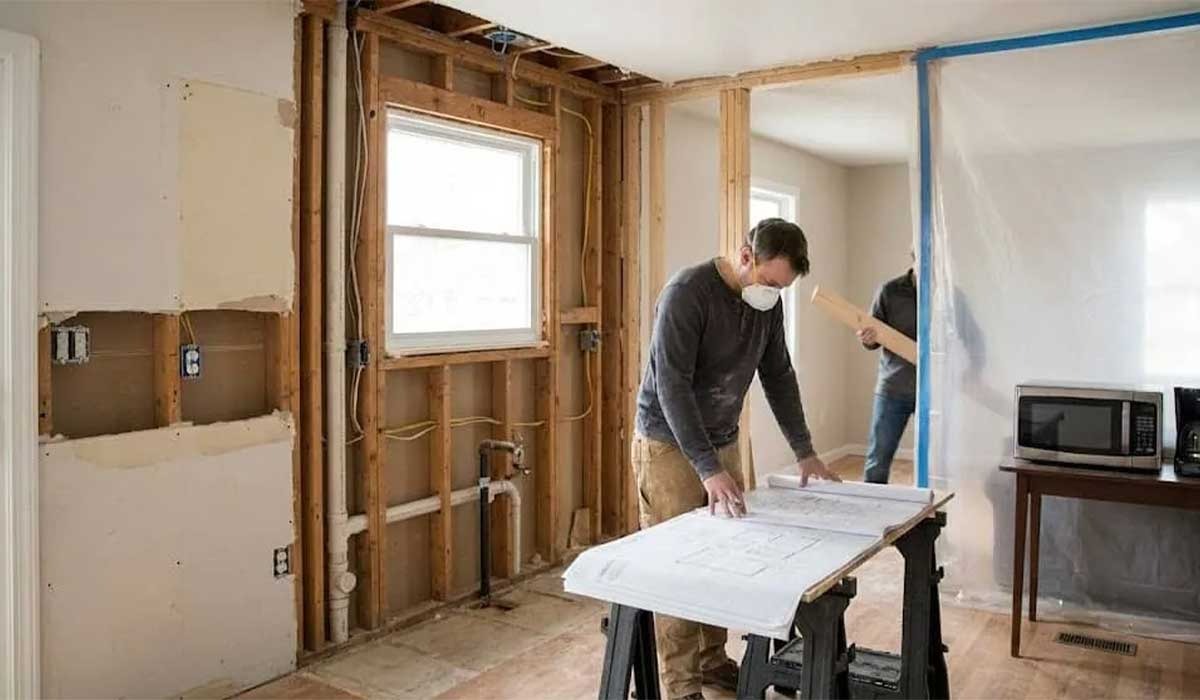
Once planning is complete, the physical work begins. Phasing dictates the order of operations and is critical for managing the timeline when choosing a phased remodel approach.
Pre-Construction Critical Path: Inspections and Setup
Before demolition starts, several critical checks must occur. Here’s a summary of the preparation for a home remodel:
- Foundation Inspection: We assess the slab foundation to ensure it can support new loads.
- HVAC Load Calculation: To ensure energy efficiency, we calculate if your current system can handle expanded spaces.
- Temporary Living Space: We help you plan where you will set up your coffee station or microwave while the kitchen is out of commission.
The Standard Construction Flow (Rough-In to Finish)
Understanding the flow helps manage patience. The typical steps to remodeling your home in order are:
- Demolition: Clearing the space.
- Rough-In: Installing mechanical, plumbing, and electrical systems behind the walls.
- Inspections: City officials check the rough-in work.
- Walls & Floors: Insulation, drywall, and flooring installation.
- Finishes: Cabinets, trim, and painting.
- Finals: Appliances, fixtures, and final paint touch-ups.
Setting Up a Temporary Home (The “Three-Month Grind”)
If you choose to live in your home during a Houston remodel, preparation is key. Set up a temporary kitchen in a dining room or guest area with a fridge, microwave, and hot plate.
Effective logistics and communication with your project manager are vital here. We strive to seal off construction zones to minimize dust, but living through a remodel is a disruption. Knowing the timeline and seeing the daily progress helps you push through the “grind” to reach the beautiful finish line.
Ready to Start Your Houston Remodel?
Remodeling your home is a major life event, but you don’t have to navigate it alone. By defining your goals, setting a realistic budget, and hiring a trusted professional, you can transform your Houston home into a space that perfectly fits your lifestyle.
Are you ready to turn your vision into reality? Contact Legacy Custom Home Remodeling today to schedule your consultation and take the first step toward your dream home.
Frequently Asked Questions (FAQs)
Does the Houston area present any specific remodeling challenges?
Yes, primarily dealing with flood zones (requiring potential elevation or special permitting) and complying with historic district guidelines in certain neighborhoods.
Who will be in charge of supervising the job?
With our Design-Build approach, a dedicated Project Manager is assigned to your job to handle daily supervision, logistics, and communication.
How long is the remodeling company’s work guaranteed?
Our comprehensive contracts include a strong warranty covering materials and labor for a specified period, typically one year, giving you peace of mind.
How much does it cost to renovate a house in Houston?
Costs vary widely by project scope (kitchens cost more than baths). You should budget for the estimated project cost plus a 15-20% contingency reserve for unexpected issues.

Bobby Nation, a second-generation contractor with 35 years of experience, leads every project with expertise and dedication. He works closely with homeowners, guiding them through each step of the remodeling process to ensure a smooth experience and results that meet their goals.